
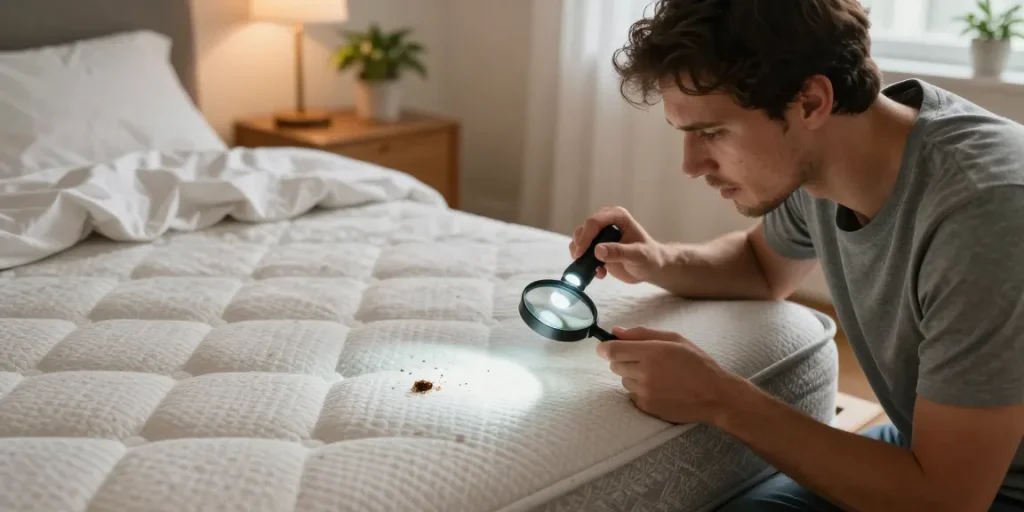
Understanding Bed Bugs: Identifying the Enemy
Bed bugs are notorious pests that invade homes and businesses, causing discomfort and distress for those affected. With their small size and ability to hide in various places, bed bugs pose a significant challenge in identification and eradication. Understanding these pests is crucial to effectively tackle an infestation. In Milwaukee and Southeast Wisconsin, residents turn to professional services for their expertise in bed bug removal. One reliable option to consider when searching for solutions is an experienced bed bug exterminator who can provide tailored treatments to meet the unique needs of each situation.
What Are Bed Bugs and Why Are They a Problem?
Bed bugs (Cimex lectularius) are small, reddish-brown insects that feed on the blood of humans and animals. They are primarily nocturnal, hiding during the day in cracks and crevices, making them difficult to spot until the infestation has become severe. These pests are a significant concern not only because their bites can cause uncomfortable reactions but also due to their rapid reproduction rates. A female bed bug can lay hundreds of eggs in her lifetime, leading to widespread infestations that can become expensive and exhausting to eradicate.
Common Mistakes in Identifying Bed Bug Infestations
Many people erroneously assume that bed bugs are only found in unsanitary conditions. While poor hygiene can contribute to infestations, bed bugs are opportunistic and can hitch a ride into clean homes via luggage, clothing, or used furniture. Another common mistake is dismissing bites or skin irritations as unrelated to bed bugs. Recognizing that these insects can cause minimal pain during bites, many individuals may overlook their presence until substantial damage is done.
The Lifecycle of Bed Bugs: What You Need to Know
Understanding the lifecycle of bed bugs is essential for effective control. Bed bugs go through several stages: egg, nymph, and adult. The eggs are tiny and can be laid in various locations, making them hard to detect. Once they hatch, nymphs undergo several molts before reaching maturity, typically within 4 to 5 weeks under optimal conditions. This rapid lifecycle contributes to the urgency of any bed bug infestation management.
Effective Bed Bug Extermination Strategies
When it comes to addressing bed bug infestations, there are several strategies available. Extermination methods can be broadly categorized into chemical treatments and heat treatments, each of which has its own set of advantages and disadvantages.
Chemical Treatments: Pros and Cons of Each Option
Chemical treatments for bed bugs involve the application of specially formulated pesticides designed to target these pests. One of the key benefits of chemical treatments is their residual effect, which can last for several months, creating a barrier that prevents new bed bugs from infesting. However, chemical treatments can also pose risks to human health and the environment, necessitating careful application by trained professionals. A common misconception is that DIY chemical solutions can effectively eradicate an infestation; these often fail to provide the comprehensive coverage needed to address the root of the problem.
Heat Treatment: The Eco-Friendly Alternative
Heat treatment is becoming increasingly popular as an eco-friendly alternative to traditional chemical methods. This approach involves raising the temperature in infested areas to a level that is lethal to bed bugs at all life stages, including eggs. The advantages of heat treatment include its non-toxic nature and immediate efficacy; however, it requires specialized equipment and careful planning to ensure thorough coverage. Households with items sensitive to heat must take extra precautions before this treatment is applied.
What to Expect During the Extermination Process
When enlisting the help of a professional bed bug exterminator, homeowners can expect a comprehensive process. Initially, a thorough inspection is conducted to identify the extent of the infestation. Exterminators will then determine the best course of action, often combining both chemical and heat treatments for optimal results. Clients will receive instructions on how to prepare their homes for treatment, which may include removing clutter and moving furniture. Post-treatment, it’s essential to discuss follow-up procedures to maintain a bed bug-free environment.
Preventing Future Infestations
Effective bed bug control does not end with extermination. Prevention plays a critical role in maintaining a bed bug-free home.
Best Practices for Homeowners to Avoid Bed Bugs
Homeowners can adopt several best practices to prevent bed bugs from entering their homes. Regular vacuuming, sealing cracks and crevices, and using protective covers on mattresses and box springs can reduce the risk of infestations. Additionally, being vigilant while traveling and inspecting luggage and hotel rooms for signs of bed bugs can significantly decrease the chances of inadvertently bringing these pests home.
Regular Inspections: Keeping Your Home Bed Bug-Free
Regular inspections of your home, particularly in sleeping areas, can help catch infestations early. Homeowners should check for visual signs, such as bloodstains on bedding and dark spots from bed bug droppings. If any signs are present, it is crucial to contact a professional exterminator immediately to assess the situation.
Travel Tips to Prevent Bringing Bed Bugs Home
Bed bugs are notorious hitchhikers. To avoid bringing them into your home while traveling, keep luggage off the floor and inspect your hotel room upon arrival. Look for signs of bed bugs, such as shed skins or dark spots on bedding. When returning home, immediately wash and dry all clothing on high heat, and vacuum your luggage thoroughly.
Choosing the Right Bed Bug Exterminator
Finding the right exterminator is essential for effective bed bug management.
Qualities to Look for in a Professional Exterminator
When selecting a bed bug exterminator, consider their experience, training, and reputation. A reputable exterminator should have a strong track record of successful treatments and should be able to provide client testimonials or case studies. Additionally, they should be knowledgeable about the latest treatment methods and willing to explain their approach.
Cost Considerations: What to Expect in 2026
Bed bug extermination costs can vary significantly based on the size of the infestation and the chosen treatment method. As of 2026, homeowners can expect to pay anywhere from $300 to $1,500 depending on various factors. It is essential to balance cost with effectiveness; sometimes paying a little more for a reputable service can save money in the long run by preventing re-infestations.
Evaluating Customer Reviews and Success Stories
Before selecting a pest control service, read customer reviews and success stories to gauge the efficacy of their methods. Positive feedback from previous clients can provide insights into the company’s reliability, customer service, and treatment outcomes.
Future Trends in Bed Bug Control
The pest control industry continues to evolve, introducing innovative strategies for bed bug management.
Innovations in Extermination Technology
New technologies, such as smart traps and monitoring systems, are being developed to detect and control bed bug populations. These advancements allow for faster, more efficient treatments, making pest management less intrusive and more effective.
Legislation and Regulations Affecting Pest Control
As bed bugs become an increasing concern, future regulations regarding pesticide use and pest control practices may emerge. It’s essential for pest control companies to stay informed and adapt to any legislative changes that could impact treatment methods.
Consumer Education: The Role of Awareness in Prevention
Increasing consumer awareness regarding bed bug identification and prevention is vital. Educational initiatives can empower homeowners to take proactive measures and make informed decisions about pest control options.
What Should You Do if You Suspect an Infestation?
If you suspect a bed bug infestation, act quickly. Document any signs you find, such as bites or visible bugs, and contact a professional exterminator for an inspection. Early intervention is key to minimizing damage and ensuring successful extermination.
How to Respond to Bed Bug Bites?
If you experience bites, treat the affected area with antihistamines or topical creams to relieve itching and swelling. It’s essential to consult a healthcare provider if you have severe reactions or persistent issues.
How Are Bed Bugs Transmitted?
Bed bugs are primarily transmitted through human activity. They can hitch a ride on clothing, luggage, or furniture, making it easy for them to spread between locations. Understanding these transmission patterns can help mitigate the risks of infestations.