
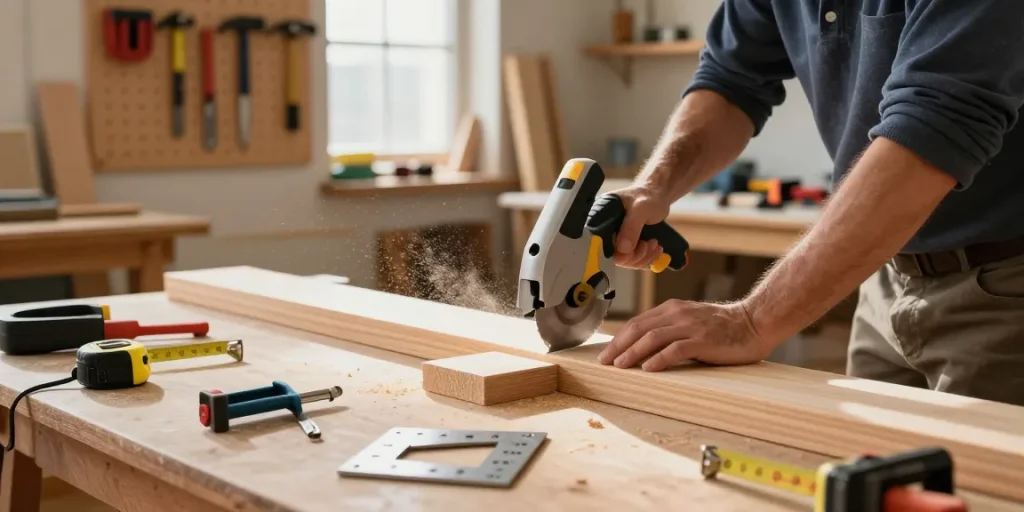
Understanding the Hand Mitre Saw: A Complete Overview
The hand mitre saw is an indispensable tool for woodworking professionals and hobbyists alike, renowned for its accuracy and versatility in making precise cuts. Whether you’re crafting furniture, building cabinetry, or undertaking DIY projects, having a reliable hand mitre saw can significantly enhance your workflow. This article delves into the intricacies of the hand mitre saw, examining its components, usage, common pitfalls, and advanced techniques, ensuring you have all the information needed to master this essential tool. For a range of options and features, you might want to explore the hand mitre saw available on Mister Worker.
What is a Hand Mitre Saw?
A hand mitre saw is a saw designed for making angular cuts, typically used in carpentry and woodworking. It consists of a fine-toothed blade mounted on a pivoting arm that allows users to adjust the angle for accurate mitre cuts. Unlike power saws, the hand mitre saw is manually operated, giving the user complete control over the cutting process. This tool is especially favored for its portability and the precision it offers, making it suitable for detailed work where power tools may be too cumbersome or imprecise.
Key Components and Features of Hand Mitre Saws
Understanding the components of a hand mitre saw can significantly enhance your ability to use it effectively:
- The Base: Typically made of sturdy materials, the base provides stability while cutting.
- The Pivot Arm: This is the part that allows for angular adjustments, essential for making precise mitre cuts.
- The Blade: Fine-toothed blades designed for cutting wood and other materials cleanly.
- Cutting Guides: These help maintain straight cuts and often include angle markings for quick reference.
Why Professional Carpenters Prefer Hand Mitre Saws
Professional carpenters often choose hand mitre saws for their reliability and precision. While power tools may offer speed, hand mitre saws are unmatched when it comes to intricate cuts that require careful control. Additionally, the quieter operation of a hand saw is preferred in environments where noise reduction is essential. Moreover, the simplicity of a hand mitre saw means that it requires no electrical source, making it accessible in all work environments.
Common Mistakes When Using a Hand Mitre Saw
Even experienced woodworkers can make mistakes when using a hand mitre saw. Awareness of these common errors can help improve performance and safety.
Inaccurate Measurements: How to Avoid Them
One of the most frequent mistakes is taking inaccurate measurements. Always double-check your measurements before making cuts. Utilizing a reliable tape measure and marking your cut lines clearly can help ensure precision.
Improper Blade Selection: The Right Blade for Every Material
Choosing the incorrect blade can compromise the quality of your cuts. Familiarize yourself with the types of blades available, ensuring you select the right one based on the material you are cutting—be it softwood, hardwood, or even composite materials.
Neglecting Safety Protocols: Essential Safety Gear
Ignoring safety protocols can lead to injuries. Always wear appropriate safety gear, including goggles to protect your eyes from flying debris and gloves for hand protection. Understanding the safety features of your tool further enhances your overall safety when operating a hand mitre saw.
Quick Fixes for Frequent Hand Mitre Saw Errors
Being equipped with quick fixes for common hand mitre saw errors can save time and improve efficiency in your projects.
Adjusting Blade Angles for Precision Cuts
One common issue is misalignment of the blade. If your cuts are not precise, ensure that the blade is correctly aligned and securely fastened to avoid any movement during operation.
Maintaining Your Hand Mitre Saw: Tips for Longevity
Regular maintenance is crucial for the longevity of your hand mitre saw. Keep the blade clean and sharpened, and periodically check the pivot arm and base for any wear that may affect performance.
Common Issues with Mitre Cuts and Their Solutions
Mitre cuts can be tricky, especially if your saw is not set correctly. If you notice gaps or uneven edges, reassess your measurement techniques and ensure the blade angle is accurate before proceeding with cuts.
Best Practices for Advanced Hand Mitre Saw Techniques
Once you have mastered the basics, exploring advanced techniques can elevate your craftsmanship and efficiency with a hand mitre saw.
Mastering Compound Angle Cuts: Step-by-Step Guide
Compound angle cuts can be challenging. To conquer them, first, understand how the angle adjustment works. Set your saw to the desired degree and practice on scrap wood before attempting your final project.
Finishing Techniques for a Professional Look
Achieving a professional finish is crucial in woodworking. After making your cuts, sanding edges helps eliminate rough spots and prepares the material for staining or painting.
Optimizing Your Workspace for Efficiency
An organized workspace can greatly improve your efficiency when using a hand mitre saw. Ensure all tools are within reach, and consider a sturdy workbench to provide stability during cuts.
Future Trends in Hand Mitre Saws and Carpentry in 2026
The landscape of carpentry is ever-changing. Emerging trends are shaping the tools and practices of the industry.
Emerging Technologies in Hand Tools
With advancements in technology, we can expect to see more ergonomic designs and innovative materials used in hand mitre saws, enhancing usability and reducing fatigue during extended use.
Eco-Friendly Approaches to Carpentry
The push for sustainability is influencing tool production and material use. Expect to see a rise in eco-friendly hand mitre saw options made from recycled materials and designed for energy efficiency.
Market Trends: What to Expect in Hand Tool Innovations
As the market evolves, consumers can anticipate innovations that integrate smart technology into hand tools, providing feedback and assistance to users for improved cutting accuracy and safety.
What types of materials can I cut with a hand mitre saw?
A hand mitre saw is versatile and can cut various materials, including softwood, hardwood, plywood, and some composites. Ensure you use the correct blade type to get optimal results.
How can I improve my accuracy with a hand mitre saw?
To enhance accuracy, always measure twice and cut once. Use a square to ensure your cuts are perpendicular and maintain a steady hand while cutting.
What safety gear should I use when operating a hand mitre saw?
Essential safety gear includes safety goggles, gloves, and a dust mask to protect against debris and inhalation of fine particles generated during cutting.
How often should I maintain my hand mitre saw?
Maintenance should be performed regularly. Check the blade for dullness after every major project and clean the saw to prevent dust build-up that can hinder performance.
What are the best brands of hand mitre saws on the market?
Several top brands are well-regarded for their quality and performance, including Stanley, DeWalt, and Irwin. For more information, Mister Worker offers valuable insights. Researching and comparing these brands can help you choose the best option for your needs.