
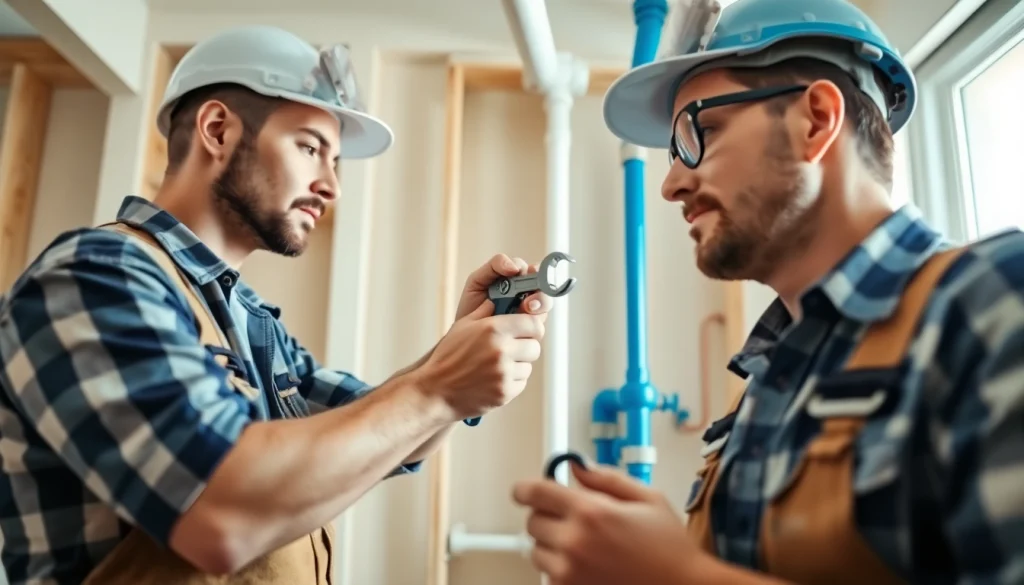
Understanding Whole House Repiping Services St Petersburg FL
Whole house repiping is a crucial home improvement service that involves the comprehensive replacement of all the plumbing pipes in a residence. This service is particularly vital in St. Petersburg, Florida, where the climate can accelerate the wear and tear on plumbing systems. If you notice frequent leaks, discolored water, or even a drop in water pressure, it may be time to consider whole house repiping services St Petersburg FL. Understanding what repiping entails, the telltale signs indicating the need for it, and its benefits is essential for homeowners.
What is Whole House Repiping?
Whole house repiping refers to the process of replacing old, damaged, or corroded pipes in a home with new materials to improve the efficiency and safety of the plumbing system. This service may encompass every pipe in your home, from the main water supply line to individual plumbing fixtures. It is an extensive task often necessitated by outdated materials or recurrent plumbing problems that signify further issues within the system.
Signs You Need Repiping
- Frequent Leaks: Leaks in the same area often signify a larger underlying problem with the plumbing.
- Low Water Pressure: This may indicate either blockages from mineral buildup or pipe deterioration.
- Discolored Water: Rusty or brown water may point to corroded pipes, which can contaminate your water.
- Unusual Noises: Sounds of banging or whistling can indicate air in the pipes or other issues.
- Age of Plumbing: Homes with plumbing older than 50 years may need an inspection.
Benefits of Repiping Your Home
Repiping your home can yield numerous benefits, including increased water quality, enhanced water pressure, and reduced risks of leaks and water damage. Additionally, homeowners can experience less maintenance and repair costs over time, as new pipes often come with warranties and last significantly longer than older systems. Enhanced home value is also a critical incentive; potential buyers are often apprehensive about outdated plumbing systems.
Choosing the Right Materials for Repiping
Copper vs. PEX Pipes
When it comes to repiping, two of the most common materials are copper and PEX (cross-linked polyethylene). Copper pipes are recognized for their durability and resistance to corrosion, but they can be more expensive and are susceptible to freezing. Conversely, PEX is lightweight, flexible, and resistant to scale build-up, making it a popular choice among contractors. Each material has its advantages and disadvantages, so your choice should depend on your specific home needs and budget.
Managing Costs: Material Selection
The cost of repiping can vary significantly based on the materials chosen. Copper pipes are generally more expensive upfront, while PEX can be cost-effective. However, consider the long-term savings; copper pipes may last longer, while PEX installation may require less labor. Calculating life-cycle costs rather than just the initial investment can provide a clearer financial picture.
Longevity of Different Pipe Types
Pipe longevity varies by material. Copper pipes can last anywhere from 50 to 70 years, while PEX will typically last around 25 years. However, factors such as water quality, maintenance, and environmental conditions can impact these estimates. Understanding these differences is crucial in making a decision that aligns with your long-term residence plans.
The Whole House Repiping Process
Initial Inspection and Assessment
The first step in the repiping process is an extensive inspection by a licensed plumber. This will involve evaluating the current plumbing system, identifying problem areas, and determining which sections of the plumbing system require replacement. This assessment phase is crucial to develop a tailored plan for repiping.
Preparation and Planning Phase
Once the inspection is complete, the next phase involves preparation and planning. This includes scheduling the work at a convenient time, obtaining necessary permits, and choosing the materials for repiping. Homeowners should also be prepared for temporary disruptions to their water service during the replacement process.
Completion: Final Checks and Cleanup
After installation, the plumbing team will conduct a thorough inspection, checking for leaks, ensuring proper connections, and confirming that water pressure and quality meet standards. Cleanup is also essential to leave the space as it was found. Homeowners should receive documentation outlining what was replaced, along with warranties on materials and workmanship.
Common Challenges in Whole House Repiping
Dealing with Old Plumbing Issues
Older homes may present unique challenges during repiping due to the potential for unexpected discoveries, such as outdated materials (lead or galvanized pipes) or structural issues that can complicate the installation of new pipes. Anticipating such problems and discussing them with professionals beforehand can minimize any surprises during the process.
Timing and Disruptions: What to Expect
Timing can also be a challenge. Depending on the home’s size and the complexity of the plumbing system, the repiping process can take anywhere from one day to several days. Homeowners should prepare for limited access to water and toilets during this period. Establishing a temporary living arrangement may ease any disruptions during the project.
Repairing Damage from Leaks
If leaks have caused damage to structural elements of the house, such as walls or floors, these must be repaired concurrently with repiping. This adds to the overall time and cost of the repiping project. It is wise to address these issues upfront to ensure a comprehensive solution and avoid future problems.
FAQs About Whole House Repiping Services St Petersburg FL
How long does a repiping project take?
The duration of a repiping project can vary but typically ranges from one to three days, depending on the size of the house and complexity of the plumbing system.
Will repiping affect my water pressure?
Generally, repiping can enhance water pressure. New piping systems are designed to improve flow and reduce obstructions found in old pipes.
Can I stay home during the repiping process?
While it’s possible to stay home, it may be more comfortable to plan for an alternative living arrangement, especially if you have limited access to water or bathroom facilities.
What is the cost of whole house repiping?
The cost of whole house repiping varies by home size, material chosen, and labor, ranging typically from $4,500 to $15,000 or more.
How often should I consider repiping?
It’s generally advisable to consider repiping once you notice significant issues with your plumbing or if your pipes are over 50 years old. Regular inspections can help determine the right timing.