
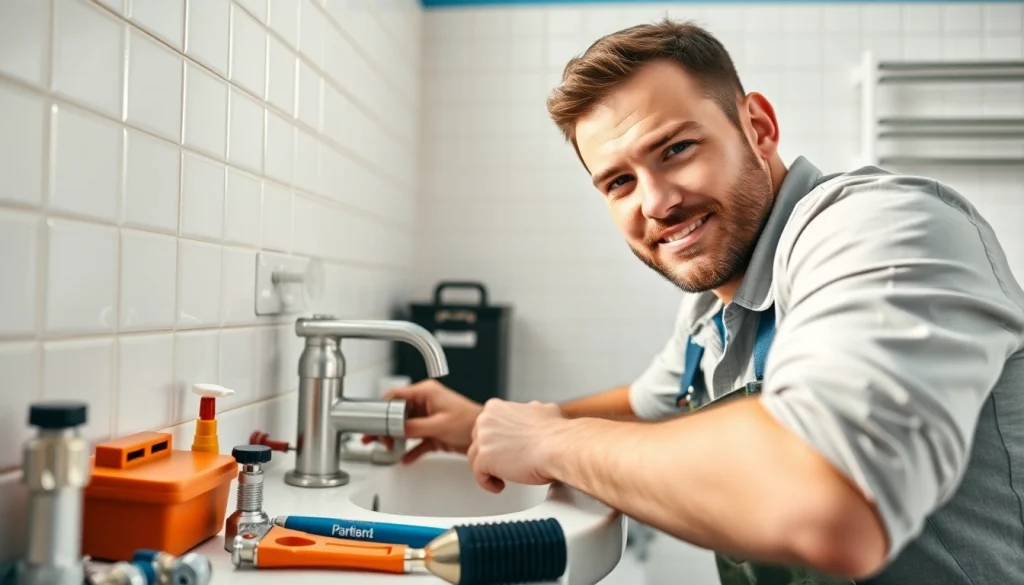
Understanding the Role of a Plumber near me
The Basics of Plumbing Services
Plumbing services encompass a variety of essential tasks that facilitate the proper functioning of water systems in residential and commercial properties. A plumber’s role extends beyond traditional pipe repairs to include installation, maintenance, and emergency response. Understanding plumbing services offers insight into how these professionals can be valuable in maintaining your home’s water infrastructure. Services range from fixing leaks to installing fixtures and retrofitting systems for energy efficiency. Essentially, plumbers ensure that water flows efficiently and safely wherever it is needed.
Types of Plumbing Systems
Plumbing systems can be categorized into three primary types: potable water systems, drain-waste-vent (DWV) systems, and stormwater systems. Each system serves a distinct purpose. The potable water system delivers clean, usable water to various parts of a building, bolstering sanitary living conditions. The DWV system plays a role in removing waste and managing sewage, ensuring that waste is properly drained and that there’s no build-up that could cause health risks. Lastly, stormwater systems help manage rainwater and other precipitation, directing it away from the property to prevent flooding. Knowledge of these systems allows homeowners to communicate effectively with their Plumber near me about their specific needs.
Why Hiring a Local Plumber Matters
Hiring a local plumber comes with countless advantages. Primarily, local professionals have a deep understanding of regional plumbing codes and regulations, ensuring that the work they perform is compliant. Additionally, they are usually more available for emergency situations and can reach your location promptly. Personal rapport is another significant factor; local plumbers are often motivated to build a lasting relationship with their community, which can lead to better service. Moreover, supporting local businesses contributes to the economic health of your community.
How to Identify a Qualified Plumber near me
Essential Certifications and Licenses
When searching for a qualified plumber, it’s crucial to check for appropriate certifications and licenses. Most states require plumbers to be licensed, indicating that they have undergone the necessary training and testing. Certifications from professional organizations can also signify a commitment to ongoing education and high standards of practice. Understanding the certification requirements in your region will help you ascertain which plumbers are legally authorized to work in your area.
Key Experience and Specializations
Experience is another key indicator of a qualified plumber. Check how many years they’ve been in business and their areas of specialization. Some plumbers might focus on residential work, while others are skilled in commercial plumbing. Being aware of your specific needs—such as whether you’re dealing with a home renovation or a new build—can help you select a plumber with the right expertise to handle your project efficiently.
Customer Reviews and Recommendations
Don’t underestimate the power of customer reviews and recommendations when searching for a plumber. Online reviews on websites like Yelp, Google, or specialized plumbing forums can provide first-hand insights into the quality of service provided. Additionally, asking friends, family, or neighbors who they trust for plumbing work can yield trustworthy recommendations, often leading you to a reliable local Plumber near me.
Common Plumbing Issues and Solutions
Leaky Faucets and Pipes
Leaky faucets and pipes are among the most common plumbing issues homeowners face. Over time, wear and tear can lead to leaks that increase water bills and may cause significant damage to structures if left unattended. A simple fix might involve tightening or replacing washers in faucets, but more severe cases may require the expertise of a plumber to ascertain the source of the leak and effectively repair it.
Clogged Drains and Toilets
Clogs in drains and toilets can occur for various reasons, such as hair buildup, soap residue, or foreign objects being flushed unintentionally. While minor clogs can often be remedied with a plunger or drain cleaner, persistent issues may signify a more serious underlying problem, such as tree root intrusion or a malfunctioning sewer line. Identifying early symptoms and hiring a qualified Plumber near me can prevent further complications.
Water Heater Problems
Water heater issues, such as insufficient hot water or unusual noises, can disrupt daily life. Regular maintenance, such as flushing the tank and checking the anode rod, can extend the life of your water heater. However, when problems persist, contacting a skilled plumber is essential for appropriate diagnostics and repairs. A professional can determine whether a repair or replacement is the most viable option.
The Benefits of Regular Plumbing Maintenance
Preventative vs. Reactive Maintenance
Regular plumbing maintenance is typically categorized into preventative and reactive approaches. Preventative maintenance includes routine inspections, cleaning, and servicing that aim to prevent issues before they arise. In contrast, reactive maintenance occurs after a problem has manifested, often leading to emergency situations. Establishing a preventative maintenance schedule can minimize the risk of emergency plumbing failures.
Long-Term Cost Savings
Investing in regular plumbing maintenance can lead to significant long-term savings. Regular checks help identify minor issues that can be fixed before they escalate into costly repairs or replacements. Additionally, well-maintained plumbing systems operate more efficiently, which can lead to lower utility bills—a win-win for homeowners.
Enhancing Home Value
Another compelling reason for regular plumbing maintenance is its potential to enhance home value. A well-functioning plumbing system is appealing to prospective buyers as it indicates that the property has been cared for. Professional plumbing upgrades or renovations can also ensure compliance with current codes, which can be a major selling point should you decide to list your home.
Frequently Asked Questions About Hiring a Plumber near me
What should I expect from my first plumbing appointment?
During your first plumbing appointment, expect the plumber to assess the issue, discuss possible solutions, and provide a detailed estimate. They may conduct a thorough inspection to understand the problem better.
How do I avoid plumbing scams?
To avoid plumbing scams, always verify credentials, check for licensing, and read reviews. Obtain multiple quotes and be cautious of prices that seem too low, as they may indicate subpar work.
How can I verify a plumber’s credentials?
You can verify a plumber’s credentials by checking with your local licensing authority and looking for reviews or complaints online. This can help ensure they meet industry standards.
What are the average costs for common plumbing services?
The average costs for plumbing services vary based on the task and location, but common repairs often range from $150 to $500. Complex issues may incur higher fees, especially emergency services.
When should I call an emergency plumber?
You should call an emergency plumber if you experience a burst pipe, severe leaks, or any situation that poses immediate risk to your health or property. Prompt action can prevent extensive damage.