
Understanding Spray Foam and Its Implications
What is Spray Foam?
Spray foam refers to a type of insulation material that is applied as a liquid and quickly expands to fill gaps, cracks, and crevices in buildings. This product, primarily made from polyurethane, is popular for its effectiveness in minimizing air leaks, thus improving energy efficiency. Understanding what spray foam is, involves knowing that it comes in two main types: open-cell and closed-cell foams. Open-cell foam is softer and more flexible, making it ideal for interior applications, while closed-cell foam is denser and provides a higher R-value per inch, making it suitable for exterior applications where moisture resistance is crucial.
Common Uses of Spray Foam in Construction
Spray foam insulation is widely used in residential, commercial, and industrial construction. Its applications include:
- Wall Insulation: Spray foam is often used to insulate walls, providing a seamless air barrier that helps reduce energy costs.
- Attics and Roofs: Applying spray foam in attics and roofs creates a highly effective vapor barrier, preventing moisture buildup and potential damage.
- Floors: It can be applied underneath floors, especially in basements, to mitigate energy loss and dampness.
- Commercial Purposes: In commercial buildings, spray foam is used both for insulation and as a sound barrier in offices and conference rooms.
Health Implications of Spray Foam
While spray foam insulation is beneficial for energy efficiency, it is important to understand the potential health risks associated with its installation and removal. During the curing process, spray foam can release volatile organic compounds (VOCs) that may cause respiratory issues or skin irritation in sensitive individuals. It is crucial to ensure that installation or removal is carried out in well-ventilated areas and that proper protective gear is worn to mitigate exposure. Moreover, improper installation and degradation of old foam can lead to the formation of hazardous mold and spores, further posing health risks. This highlights the importance of expertise in the spray foam removal UK procedures.
Why You Need Spray Foam Removal UK
Signs You Need Spray Foam Removal
There are several indicators that it may be time for spray foam removal:
- Degradation: If you notice the foam crumbling or breaking apart, it compromises its insulating properties.
- Odor: A persistent chemical smell could signify that the spray foam is off-gassing or degrading.
- Mold Growth: The appearance of mold on or around the foam indicates moisture retention, necessitating removal.
- Unusual Energy Bills: If energy bills spike unexpectedly, it may be due to decreased effectiveness of aging spray foam.
Effects of Old Spray Foam on Property
Keeping old spray foam in place can have detrimental effects on your property. As spray foam ages, it can become less effective at insulating, leading to temperature control issues and higher energy costs. Furthermore, the breakdown of the material can lead to its components leaking into the environment, which may pose additional health risks. This deterioration oftentimes fosters an environment where mold can thrive, further compounding the problems. Removing aged foam not only clears the way for fresh insulation but also protects your home’s integrity and health.
Benefits of Removal
Removing old spray foam insulation carries several key benefits:
- Improved Indoor Air Quality: Removal helps to reduce exposure to potentially harmful VOCs and allergens.
- Enhanced Energy Efficiency: New insulation can more effectively keep your home comfortable while lowering energy costs.
- Prevention of Structural Damage: Addressing moisture issues can prevent mold growth and its repercussions on structural integrity.
Techniques Used in Spray Foam Removal
Manual Removal Methods
Manual removal is one of the more traditional approaches and involves physically cutting out the foam. This method may include using tools such as knives or saws specially designed for foam cutting. While this method can be labor-intensive, it doesn’t use harsh chemicals, making it a safer option for smaller projects. Precise cuts can remove foam while minimizing damage to the surrounding structures.
Chemical Decay Alternatives
Chemical decay protocols involve using solvents or chemicals designed to break down the polyurethane in spray foam. This can expedite the removal process significantly but requires proper handling and understanding of the materials being used. It’s imperative to follow all safety protocols when employing chemical methods, as improper use can pose health risks or lead to environmental contamination.
Comparing Techniques: Pros and Cons
Each spray foam removal technique comes with its pros and cons:
- Manual Removal:
- Pros: Safer and more controlled; minimal risk of harmful chemicals.
- Cons: Labor-intensive and time-consuming.
- Chemical Decay:
- Pros: Faster removal process; effective in large areas.
- Cons: Risk of exposure to chemicals; requires strict safety precautions.
Preparing for the Spray Foam Removal Process
Pre-Removal Assessment
Before embarking on spray foam removal, a thorough assessment of the area should be conducted to identify the scope of work. This involves inspecting for signs of structural damage, mold, or compromised insulation. It is beneficial to engage professionals for a detailed evaluation, as they can identify problem areas that may not be immediately visible.
Safety Measures to Consider
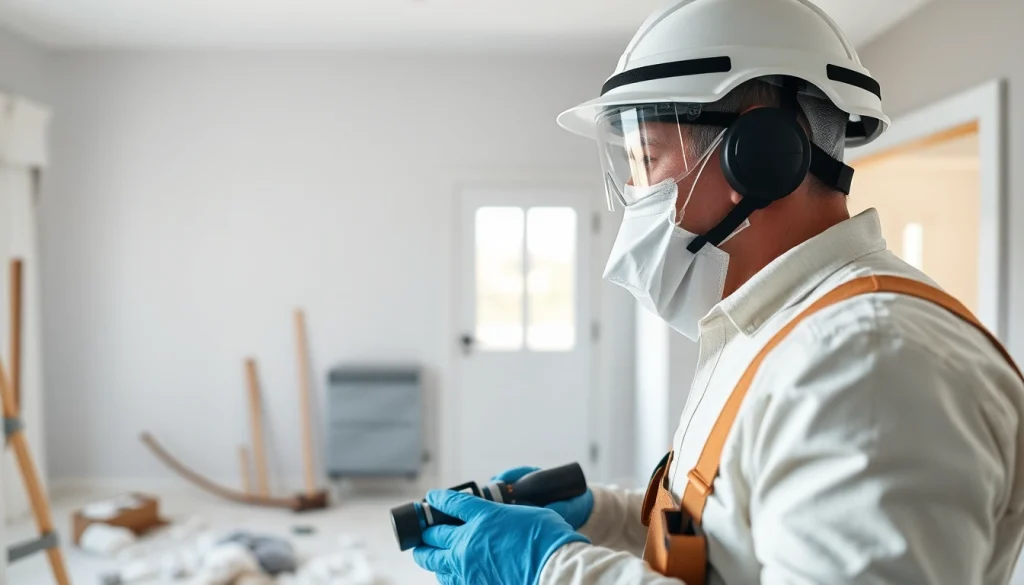
Ensuring your safety during the removal process is paramount. Key safety measures include wearing personal protective equipment (PPE) such as gloves, goggles, and masks, and ensuring proper ventilation in the workspace. It is essential to have first aid measures in place due to the potential risks associated with foam materials and chemical solvents.
Choosing the Right Professionals
Engaging qualified professionals for spray foam removal is critical. Look for experts specializing in insulation removal with documented experience and safety protocols. Checking reviews and certifications can help ensure you select a reputable service provider, minimizing risks associated with improper removal techniques.
FAQs About Spray Foam Removal UK
How long does the removal process typically take?
The duration for spray foam removal can vary based on factors such as the area size, the amount of foam, and chosen techniques. Typically, it can take anywhere from a few hours to several days.
Are there any risks associated with spray foam removal?
Yes, potential risks include exposure to VOCs and physical hazards from equipment. Wearing proper protective gear and ensuring good ventilation minimizes these risks.
Can I remove spray foam insulation myself?
While it is possible to remove spray foam yourself, it is often recommended to hire professionals due to the complexity and potential health risks involved.
What’s the average cost of spray foam removal?
The cost of spray foam removal varies significantly based on factors such as the size of the area and the removal technique used, with prices typically ranging from a few hundred to several thousand pounds.
How do I know if my home needs spray foam removal?
Signs that you may need spray foam removal include visible degradation, persistent odors, and any instances of mold growth. Additionally, unexpected energy bill increases can also be an indicator.