
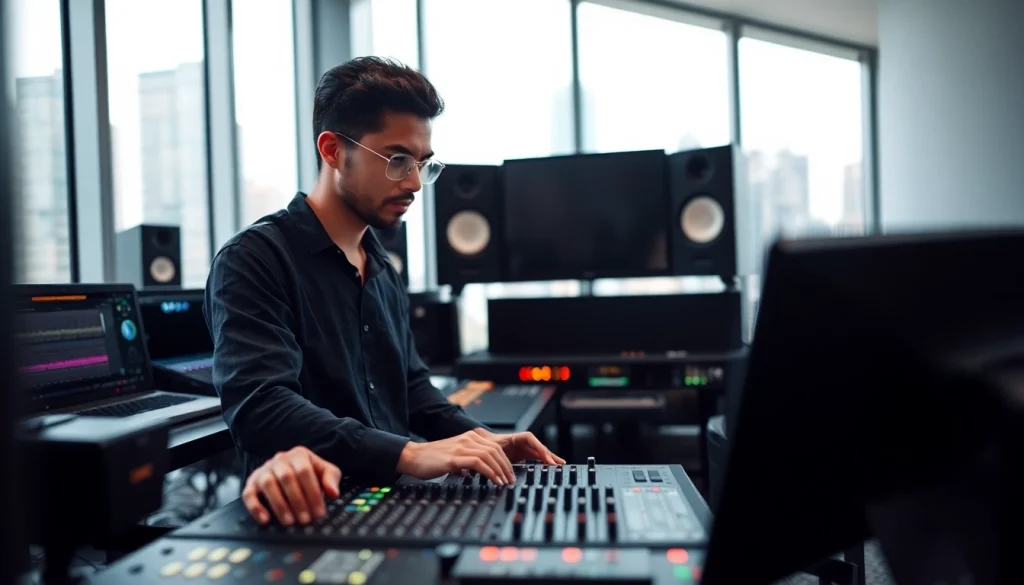
Understanding Online Mastering Services
What Are Online Mastering Services?
Online mastering services are digital platforms that offer audio mastering, a crucial step in music production. Mastering involves enhancing audio tracks to ensure they sound their best across all playback devices. This process typically includes adjusting EQ, dynamics, and stereo imaging and optimizing the audio to meet industry standards. With the advent of technology, musicians and producers now have the flexibility to take advantage of online mastering services without the need for a physical studio, making professional-quality mastering more accessible than ever.
Benefits of Using Online Mastering Services
There are numerous benefits to opting for online mastering services, particularly for independent musicians and those on a budget. Here are some of the key advantages:
- Cost-Effectiveness: Online services tend to be more affordable than traditional mastering studios, reducing barriers for emerging artists.
- Convenience: Musicians can submit their tracks from anywhere in the world, making the process more efficient.
- Accessibility: A diverse range of services means that musicians can find options tailored to their specific genre and needs.
- Fast Turnaround: Many online services offer quick processing times, allowing artists to release music more rapidly.
How Online Mastering Differs from Traditional Mastering
While the ultimate goal is the same — to produce a polished and professional audio track — there are significant differences between online and traditional mastering. Here are some differentiating factors:
- Environment: Traditional mastering is typically done in a physical studio, equipped with high-end audio equipment and acoustically treated rooms, whereas online mastering relies on the engineer’s setup and expertise, often from a home or personal studio.
- Interaction: In traditional settings, artists often have direct communication with the mastering engineer, allowing for immediate feedback. In contrast, online services may have limited real-time interaction, relying instead on pre-established guidelines.
- Flexibility: Online mastering services allow for several options in terms of submission format, payment plans, and turnaround speed, providing greater flexibility for clients.
Selecting the Right Online Mastering Services
Identifying Your Needs
Before choosing an online mastering service, it’s essential to assess your specific needs. Ask yourself questions such as:
- What genre is my music, and what are its unique mastering requirements?
- Am I looking for a budget-friendly option or willing to invest more for premium quality?
- What is my desired turnaround time for the final product?
Understanding your requirements will guide you in finding a service tailored to your unique sound, style, and professional aspirations.
Evaluating Quality and Reliability
Quality assurance is crucial when selecting online mastering services. Here are some factors to consider:
- Samples and Portfolio: Review example tracks on the service’s website to gauge the quality of previous works.
- Client Testimonials: Look for reviews from other musicians to better understand their experiences.
- Service Guarantees: Some services may offer satisfaction guarantees or revisions, providing added reassurance.
Cost Considerations for Online Mastering Services
Understanding the pricing structure is essential. Different services may charge based on:
- Track length: Longer tracks may incur higher costs.
- Complexity: More intricate productions may require additional processing and therefore higher fees.
- Additional services: Options like stems mastering, for example, may come at an extra cost.
Always ensure you understand what is included in each pricing tier to avoid unexpected fees.
The Mastering Process Explained
Submit Your Tracks and Guidelines
The first step in the online mastering process involves the submission of your audio tracks. Most services will have a user-friendly interface for this, allowing you to upload your files directly. Be sure to include:
- Audio Files: Common formats include WAV or AIFF; each service will specify their requirements.
- Mix References: Provide references of other songs that align with the sound you desire, helping the engineer understand your vision.
- Specific Instructions: Detail any particular mastering preferences or concerns, ultimately guiding the engineer in the process.
Reviewing Feedback and Revisions
Once your tracks are mastered, you will typically receive a preliminary version for review. This is a critical moment where you can assess the mastering quality and provide feedback. Pay attention to areas such as:
- Volume Levels: Ensure they meet your expectations and are competitive with similar tracks.
- Sound Quality: Check for clarity, punch, and overall tonal balance.
- Specific Changes: If necessary, communicate any adjustments you wish to make. Many services offer a revision period to address your needs.
Final Steps to Release Your Mastered Track
Upon approval of your master, you’ll usually receive a final version formatted according to industry standards. Ensure you:
- Confirm the delivery format meets your distribution needs.
- Check for any additional data, including ISRC codes for tracking purposes.
- Follow-up with any additional marketing materials or information that may support your release.
Maximizing Outcomes with Online Mastering Services
Common Mistakes to Avoid
To achieve the best possible results, keep these common pitfalls in mind:
- Submitting unpolished mixes: Ensure your tracks are as finalized as possible before submission.
- Ignoring feedback: Engaging with the mastering engineer’s suggestions can significantly improve the final product.
- Over-compressing tracks: Trust the mastering process; too much compression can detract from the track’s dynamics.
Best Practices for Preparing Tracks
Preparation can make a substantial difference in the quality of your master. Here are some best practices:
- Export tracks at the highest quality possible, ideally 24-bit/96kHz.
- Leave headroom: Aim for peaks not exceeding -6dB on your final mix.
- Check for unwanted elements: Remove any excessive noise, clicks, or artifacts before submission.
How to Choose the Right Format for Mastering
Selecting the appropriate format for your master is crucial. The most common formats preferred by mastering engineers include:
- WAV: Offers high quality and is universally accepted.
- AIFF: Preferred for its lossless compression and high-quality audio.
- FLAC: A compressed format that maintains quality, suitable for digital distribution.
FAQs about Online Mastering Services
What is the turnaround time for online mastering services?
Turnaround time varies by provider. Most services offer options from 24 hours to one week depending on the complexity and requirements of the project.
Can I communicate with the mastering engineer during the process?
Many online mastering services provide a platform for limited communication. You can usually give feedback during specific phases, but responses may not be real-time.
What file formats are required for submission?
Commonly accepted formats include WAV and AIFF, but be sure to check each service’s specific submission guidelines for details.
Is online mastering cheaper than traditional options?
Yes, online mastering services are generally more affordable, making them a popular choice for independent artists and those on a budget.
How do I know if my track needs mastering?
If your track feels lacking in volume, sonic clarity, or cohesiveness, it likely needs mastering to help it compete in the marketplace.