
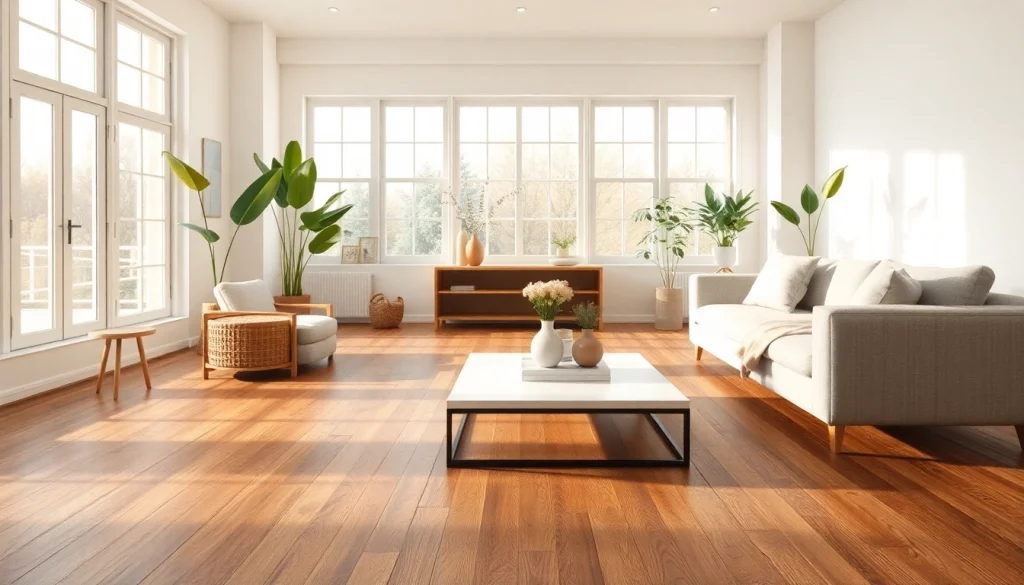
Introduction to Lvp Floors
In recent years, lvp floors have gained significant popularity in the flooring industry due to their versatility and aesthetic appeal. LVP, or luxury vinyl plank flooring, mimics the appearance of natural materials like wood and stone while offering remarkable durability and ease of maintenance. This combination makes lvp floors an ideal choice for homeowners and businesses alike. With a variety of styles, colors, and textures available, adapting to both modern and classic architectural designs has never been easier. To explore the different options available, you can visit lvp floors.
What are Lvp Floors?
LVP floors are a type of resilient flooring made from multiple layers of synthetic materials that create a high-quality, durable surface. The manufacturing process involves applying a photographic layer that imitates the look of wood or stone, a core layer for support, a backing layer for stability, and a wear layer that protects against scratches, stains, and water. With technological advancements, contemporary lvp floors can convincingly mimic the appearance of more expensive flooring materials while providing superior durability and easier maintenance.
Benefits of Choosing Lvp Floors
Lvp floors offer numerous advantages that make them a popular flooring choice. Here are some key benefits:
- Durability: LVP is designed to withstand heavy foot traffic and resist scratches, making it suitable for homes and commercial spaces.
- Water Resistance: The surface of lvp floors is waterproof (depending on the type), promoting longevity even in moisture-prone areas like bathrooms and kitchens.
- Easy Installation: Many lvp floors feature a click-lock installation method, allowing for straightforward DIY projects and reducing installation costs.
- Aesthetic Versatility: Available in a wide range of styles, colors, and textures, lvp floors can fit any design scheme, from rustic to modern.
- Low Maintenance: Simple cleaning routines are often enough to keep lvp floors looking new, eliminating the need for extensive upkeep associated with other materials.
Common Misconceptions about Lvp Floors
Despite the many advantages of lvp floors, several misconceptions can deter potential buyers. It’s essential to clarify these myths to appreciate the true value of this flooring option:
- Misconception #1: LVP floors are just cheap imitation.
In reality, high-quality lvp flooring can rival the aesthetics of real wood or stone. - Misconception #2: LVP is harmful to health.
Most modern lvp floors are made with non-toxic materials and environmentally friendly manufacturing processes. - Misconception #3: All LVP floors are water-resistant.
While many are, not all lvp floors are water-resistant; checking specifications is crucial. - Misconception #4: LVP cannot be recycled.
LVP flooring is becoming more recyclable as eco-friendly practices are integrated into production.
Types of Lvp Floors
Waterproof vs. Water-Resistant Lvp Floors
Understanding the difference between waterproof and water-resistant lvp floors is critical for making the right choice. Waterproof lvp floors underwrite their performance with a sealed wear layer that prevents water penetration, making them ideal for areas prone to spills, such as kitchens and bathrooms. On the other hand, water-resistant lvp provides a lower level of protection against moisture, suitable for spaces with occasional dampness but not suitable for consistent exposure. Consider your environment to decide which type aligns best with your needs.
Styles and Designs of Lvp Floors
Lvp floors come in an extensive range of styles that cater to varied tastes. The options include planks that replicate the look of different wood species such as oak, maple, or cherry, as well as designs that imitate stone, tile, or even concrete. The aesthetic versatility allows homeowners to create unique interior spaces, aligning with both traditional and contemporary decor. Customizable finish options—like hand-scraped or distressed appearances—enhance their authenticity and appeal.
How to Choose the Right Type of Lvp Floors
Choosing the right lvp floors requires careful consideration of several factors:
- Location: Assess where the flooring will be installed and account for moisture levels and foot traffic.
- Style Preferences: Pick a design that matches your aesthetic preferences and overall home decor.
- Durability Needs: For high-traffic areas or homes with pets, choose thicker wear layers for added protection.
- Budget: Determine your budget limitations, keeping in mind that investing in high-quality materials generally yields better long-term results.
Installation Process for Lvp Floors
Preparation for Installing Lvp Floors
Proper preparation is essential for ensuring that your lvp floors are installed correctly. Start by gathering the necessary tools, which may include a utility knife, measuring tape, a straightedge, and a mallet. Next, prepare the subfloor by ensuring it is clean, dry, and level. Any imperfections should be repaired, as a solid foundation is crucial for a successful install. Lastly, acclimate the lvp planks in the room where they will be installed for at least 48 hours to prevent expansion or contraction after installation.
Step-by-Step Installation Guide for Lvp Floors
The following steps outline a straightforward process for installing lvp floors:
- Measure the Room: Accurately measure the length and width of the space to determine the total square footage needed.
- Cut the Planks: Use a utility knife to cut the planks as needed, ensuring they fit the edges of the room.
- Install the Underlayment: Place an underlayment if required, as this provides cushioning and insulation.
- Lay the First Row: Start in a corner and place the first row of planks, connecting them with the click-lock mechanism.
- Continue Installation: Work row by row, staggering the joints for an attractive appearance and added stability.
- Finishing Touches: After completing the installation, add baseboards or trim around the edges for a finished look.
Common Installation Mistakes to Avoid
To ensure a successful installation, be mindful of these common mistakes:
- Skipping Acclimation: Not allowing the planks to acclimate can lead to warping after installation.
- Poor Subfloor Preparation: Installing over an uneven surface can result in a subpar finish and noise issues.
- Incorrect Measurements: Not measuring the space properly can lead to excess cuts and waste of material.
- Neglecting Expansion Gaps: Failing to leave expansion gaps can lead to buckling or damage when the material expands.
Maintaining Your Lvp Floors
Daily Care Tips for Lvp Floors
Maintaining the beauty of your lvp floors only requires a few simple daily care tips:
- Regularly sweep or vacuum to remove dirt and debris.
- Use a damp mop with a gentle cleaner specifically designed for vinyl flooring.
- Place doormats at entrances to reduce dirt and moisture brought in from outside.
Deep Cleaning Techniques for Lvp Floors
For a more thorough clean, consider these deep cleaning techniques:
- Use a specialized vinyl floor cleaner and a microfiber mop for a streak-free shine.
- For tough stains, a mixture of vinegar and water can be effective, but avoid excessive moisture.
- Periodically strip and re-wax lvp floors to maintain the finish and protective layer.
Long-Term Maintenance Best Practices for Lvp Floors
To ensure the longevity of your lvp floors, implement these best practices:
- Control the humidity in your home to avoid expansion and contraction issues.
- Limit exposure to direct sunlight, which can fade the colors over time.
- Use furniture pads under heavy items to prevent scratches and dents.
Frequently Asked Questions about Lvp Floors
Are lvp floors easy to install?
Yes, lvp floors are designed for easy installation, often featuring click-lock systems that require minimal tools.
How long do lvp floors last?
Quality lvp floors can last 15 to 25 years, depending on usage, care, and maintenance.
Can lvp floors be refinished?
No, lvp floors cannot be refinished as they do not have a solid wood layer; however, they can be cleaned and maintained for longevity.
Do lvp floors increase home value?
While not as significant as hardwood, lvp floors can enhance home value by appealing to potential buyers with modern aesthetics and durability.
What should I avoid doing to keep my lvp floors in good shape?
Avoid excessive water, harsh cleaners, and neglecting maintenance, which can all damage your lvp floors over time.