
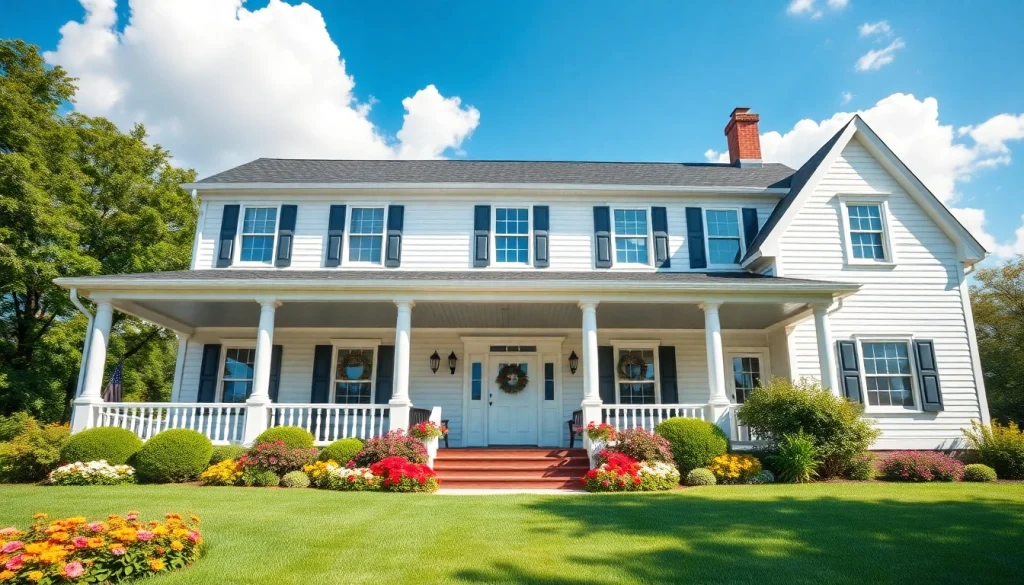
Understanding Colonial Home Renovation
What Is Colonial Home Renovation?
Colonial home renovation refers to the process of restoring, updating, or enhancing a colonial-style home. These homes are renowned for their historical significance and architectural charm. Renovation can range from minor cosmetic changes, like painting and landscaping, to substantial structural updates that enhance the home’s functionality while preserving its original character. A well-executed renovation not only improves the living experience but can also increase property value significantly.
Key Characteristics of Colonial Architecture
Colonial architecture, derived from various influences, is characterized by symmetry, proportion, and classic detailing. Key features include:
- Symmetrical Facades: Most colonial homes boast a balanced look with evenly spaced windows and doors.
- Gabled Roofs: Rooflines are typically steeply pitched, contributing to the distinctive silhouette.
- Colonial Materials: Brick, wood, and stone are common materials used in construction, reflecting the local availability of resources.
- America’s Heritage: Each regional style, whether Dutch, English, Spanish, or French, introduces unique elements specific to the time and place.
Why Consider Renovating a Colonial Home?
Renovating a colonial home can yield numerous benefits. Firstly, it allows homeowners to preserve historical and architectural significance while enhancing modern functionality. Additionally, engaging in a colonial home renovation creates an opportunity to improve energy efficiency and reduce utility costs. Furthermore, tailored design updates can address specific family needs without compromising the home’s historic character, making renovations a worthy investment.
Planning Your Colonial Home Renovation
Establishing a Renovation Budget
Creating a realistic budget is foundational to any renovation project. Start by determining the scope of work you wish to undertake. Itemize costs for materials, labor, permits, and unexpected expenses. Consider allocating 10-20% of your budget as a contingency fund. Research market rates for labor and materials to avoid overestimations or underfunding aspects of your renovation.
Choosing the Right Design Elements
Selecting appropriate design elements is crucial in maintaining the home’s character. Consider elements such as moldings, door styles, and window types that reflect the original architecture. Choose materials that echo historical references yet serve modern functionality. It’s beneficial to consult design professionals familiar with colonial aesthetics to ensure compatibility in renovations.
Finding Trusted Contractors for Colonial Projects
Finding skilled contractors who understand the nuances of colonial home renovations is essential. Seek recommendations from friends or family and look for specialized contractors with proven experience in similar projects. Evaluate portfolios and check references to ensure quality workmanship. Communication is vital; a successful partnership with your contractor will ensure clarity on expectations and budget adherence.
Design Considerations for Colonial Homes
Incorporating Traditional Colonial Features
Integrating traditional features during your renovation enhances authenticity. Incorporate elements like prominent chimneys, wood paneling, and classic mantels. Ensure that any fixtures align with the colonial style – think wrought-iron accents, traditional cabinetry, and colonial colors. This blend of old-world charm with new updates keeps historical integrity intact while enhancing your living space.
Balancing Modern Amenities with Historic Charm
Modern living often requires amenities that may clash with traditional aesthetics. To create a harmonious blend, consider integrating modern appliances that fit into cabinetry designed to disguise them. Opt for smart home technology that complements the home’s historical ambiance without overpowering it. Balancing comfort with visual appeal will significantly enhance the overall living experience.
Color Schemes and Materials for Colonial Aesthetics
Color plays an essential role in colonial design. Traditional color palettes include muted tones, such as soft greens, muted yellows, and classic whites. These colors can enhance architectural features while maintaining a natural, timeless appearance. For materials, opt for natural woods, stone, and brick – all classic choices that speak to the colonial style and contribute to durability.
Common Challenges in Colonial Home Renovation
Dealing with Structural Issues
Old homes often face structural issues that can complicate renovations. Signs of settling, water damage, or pest infestations commonly arise in colonial buildings due to their age. It’s vital to conduct thorough inspections during planning to identify these issues. Enlist professionals to advise and address any structural concerns before proceeding with aesthetic changes to ensure safety and stability.
Navigating Historic Preservation Regulations
Preserving the heritage of colonial homes often involves understanding local historic preservation regulations. Homeowners must be aware of any constraints related to their renovations. Research guidelines provided by local historic societies or zoning boards to ensure compliance. When in doubt, consult experts who specialize in historic renovations to navigate these complex requirements efficiently.
Managing Unexpected Costs and Delays
Renovation projects frequently surpass initial budgets and timelines. To mitigate these risks, conduct thorough pre-renovation investigations, including inspections, to anticipate challenges. Be proactive through communication with your contractor about potential pitfalls. Including contingency allowances in your budget can also avoid financial pitfalls. Flexibility and preparedness can ease the strain of unforeseen complications.
Final Touches for a Successful Colonial Home Renovation
Exterior Enhancements and Landscaping Ideas
The exterior serves as the first impression of your home. Simplistic enhancements like new shutters, authentic colonial doors, and well-maintained garden spaces can enhance curb appeal. Landscaping should reflect the colonial style – think structured hedges, winding pathways, or ornamental gardens that echo historical landscapes. Seasonal flowers can add vibrancy while maintaining the home’s character.
Interior Styling with Vintage and Modern Touches
When styling interiors, mix vintage furniture and decor with modern elements for an appealing aesthetic. Use antique furnishings or replicas that complement the home’s character. Layer textures through textiles, such as area rugs, upholstered furniture, or decorative accents. Combining different styles fosters a cozy atmosphere while celebrating the home’s historical roots.
Maintaining Your Newly Renovated Colonial Home
Post-renovation maintenance is crucial to preserve your updated colonial home’s value. Regular upkeep like cleaning gutters, inspecting roofs, and maintaining landscaping can sustain the aesthetic and structural integrity of your home. Set a schedule for routine inspections and necessary repairs, and keep abreast of seasonal maintenance to prevent larger issues from developing.
Frequently Asked Questions
What is the average cost of a colonial home renovation?
The average cost varies widely based on the project’s scope, materials, and location, but renovation costs can range from $100 to $400 per square foot in many areas.
How can I preserve the historic character during renovations?
To preserve historic character, keep original features, use period-appropriate materials, and consult historical experts for guidance throughout the renovation process.
Are there any grants available for renovating historic homes?
Yes, various federal and state programs may offer grants or tax incentives for renovating historic homes. Research local historic preservation organizations for available options.
How do I choose the right contractor for colonial renovations?
Look for contractors with experience in historic renovations, check references, and review their portfolios. Communication and understanding of your vision are crucial.
What are common design elements in colonial homes?
Common design elements include symmetrical facades, steeply pitched roofs, central chimneys, and traditional materials like wood and brick that reflect historical integrity.