
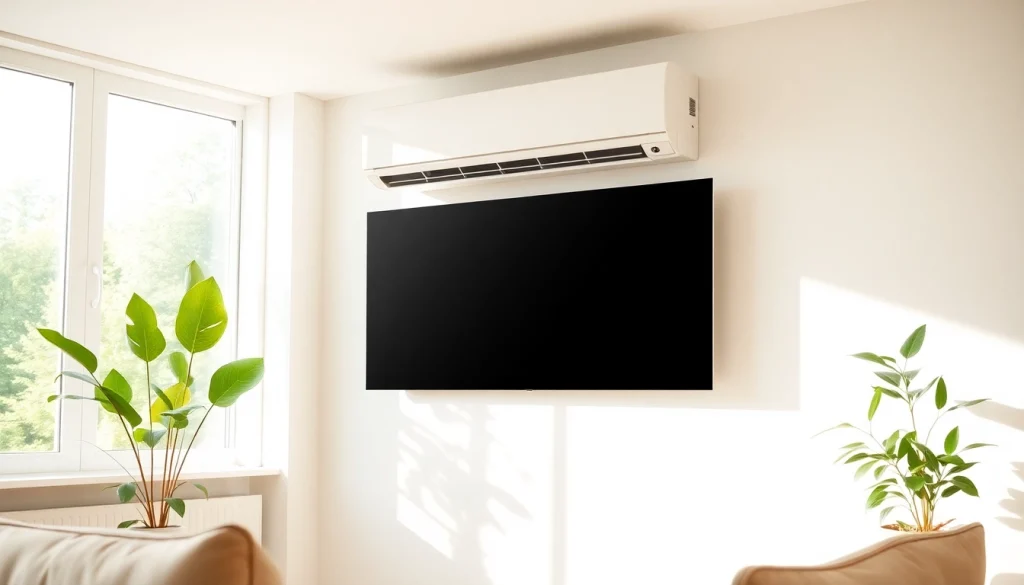
Introduction to Mitsubishi Mini Split AC
Whether you’re looking to cool a single room or your entire home, the mitsubishi mini split ac systems provide flexibility and efficiency. These systems are increasingly popular among homeowners and businesses alike for their ability to deliver precise temperature control without the need for bulky ductwork. In this comprehensive guide, we’ll dive deep into what Mitsubishi mini split AC systems are, their benefits, key features, installation requirements, and how they compare to other HVAC options.
What is a Mitsubishi Mini Split AC?
A Mitsubishi mini split AC is a type of air conditioning system that offers a compact, efficient cooling and heating solution through a sleek design and flexible installation options. Unlike traditional central air conditioning systems that require extensive ductwork, mini splits consist of two main components: an outdoor condenser and one or more indoor air-handling units. The two units are connected by refrigerant lines, enabling the system to transfer heat outside during summer and bring heat in during winter. This dual functionality allows for year-round comfort in various living spaces.
Benefits of Using Mitsubishi Mini Split AC
The benefits of installing a Mitsubishi mini split AC system in your home or business are numerous:
- Energy Efficiency: Mini splits are known for their high SEER (Seasonal Energy Efficiency Ratio) ratings, which contribute to lower energy bills compared to traditional air conditioning systems.
- Flexible Installation: With no ductwork required, mini splits are ideal for homes without existing ducts and offer various mounting options such as wall-mounted, ceiling-mounted, or floor-mounted units.
- Zoned Cooling: Multiple indoor units can be installed with one outdoor unit, allowing you to customize the temperature in different rooms according to individual preferences.
- Quiet Operation: These systems operate at lower noise levels compared to conventional units, ensuring minimal disruption in your space.
- Improved Indoor Air Quality: Mitsubishi mini split AC systems are equipped with advanced filters that can help reduce dust, allergens, and pollutants in the air.
Key Features to Consider
When selecting a Mitsubishi mini split AC system, several key features should influence your decision:
- Capacity: Understand the size of the area you need to cool and the BTU rating required to ensure optimal performance.
- Inverter Technology: Consider systems with inverter technology, which can adjust the compressor speed to maintain temperature efficiently, reducing energy consumption.
- Smart Controls: Many modern mini split units offer smart features, including Wi-Fi capability for remote operation through mobile apps.
- Filter Type: Look for units with high-quality filtration options to maintain healthier air quality.
- Warranty: Check the warranty terms to ensure long-term reliability and manufacturer support.
Understanding Installation Requirements
Proper installation of a Mitsubishi mini split AC is crucial for optimal performance and efficiency. Let’s explore what you need to know about preparing your space, ensuring the electrical needs are met, and choosing the right location for the indoor units.
Space Preparation for Mitsubishi Mini Split AC
Before installation, assess the space where the indoor units will be placed:
- Condensate Drain: Ensure the indoor units have appropriate access for condensate drain lines to prevent water damage.
- Wall Structures: Indoor units need secure mounting on walls or ceilings, so check for adequate support.
- Clearance: Maintain sufficient clearance around the units for proper airflow and service access.
- Sunlight Exposure: Minimize direct exposure to sunlight on indoor units to enhance efficiency and comfort.
Electrical Needs for Installation
A key aspect of installation is meeting your electrical requirements:
- Dedicated Circuit: Install a dedicated circuit for each indoor unit to ensure reliable power availability.
- Voltage Requirements: Verify that your electrical system matches the voltage and amperage required by the mini split AC.
- Grounding: Ensure proper grounding for safety and to meet local codes.
Choosing the Right Location for Indoor Units
The placement of indoor units significantly impacts their performance and efficiency:
- Central Locations: Position units in central areas of the room to promote even cooling and heating.
- Avoid Obstructions: Install units away from obstructions like furniture or drapes that can impede airflow.
- Height Considerations: Aim to mount indoor units at least 7-8 feet off the floor for optimal air distribution.
- Access Points: Ensure easy access to indoor units for maintenance and filter changes.
Efficient Operation and Maintenance
To maximize the benefits of your Mitsubishi mini split AC system, efficient operation and regular maintenance are essential. Here’s what you need to know:
How to Optimize Energy Efficiency
Here are several strategies to enhance the energy efficiency of your Mitsubishi mini split AC:
- Set the Right Temperature: Aim for a comfortable indoor temperature that doesn’t excessively burden the system, ideally around 75°F in cooling mode.
- Regular Inspections: Schedule professional maintenance checks to optimize performance and identify issues early.
- Filter Cleaning: Clean or replace air filters regularly to maintain airflow and efficiency.
- Utilize Smart Controls: Use programmable schedules and Wi-Fi features to adjust temperatures based on occupancy.
- Seal Air Gaps: Insulate ducts and seal any gaps around doors and windows to enhance energy efficiency.
Regular Maintenance Tips for Longevity
Maintain your Mitsubishi mini split AC effectively with these tips:
- Monthly Filter Maintenance: Check filters monthly, and clean or replace them as needed to ensure proper airflow.
- Annual Service: Have a professional inspect the system at least once a year for refrigerant levels, electrical connections, and general wear and tear.
- Outdoor Unit Check: Keep the outdoor condenser unit clear of debris, plants, and snow to promote efficient operation.
- Inspect Drain Lines: Part of regular maintenance includes ensuring drain lines are clear to prevent clogging and leaks.
Common Issues and Troubleshooting
Being aware of potential problems can help you troubleshoot effectively:
- Inconsistent Temperatures: This can indicate poorly maintained filters or a need for refrigerant recharge. Check filters first.
- Unusual Noises: If you hear strange sounds, it may indicate loose components or debris in the system requiring professional help.
- Foul Smells: Unpleasant odors can suggest mold buildup or a need to clean the indoor units.
- Leaks: Water pooling around indoor units indicates blocked drainage or refrigerant leaks; both should be investigated quickly.
Comparing Mitsubishi Mini Split AC to Other Systems
Understanding how Mitsubishi mini split AC systems stack up against other types of HVAC systems is crucial for making informed decisions:
How Mitsubishi Stands Out in the Market
Mitsubishi mini split AC systems are renowned for their quality, efficiency, and advanced technology:
- Innovative Technology: Advanced features like inverter technology and smart controls allow users greater energy savings and functionality.
- Sleek Design: The compact and unobtrusive design allows mini splits to blend seamlessly with various interior decors.
- Durability: Mitsubishi is recognized for long-lasting products designed to withstand various climate conditions.
Pros and Cons of Alternatives
When comparing to traditional HVAC options, consider the following:
- Central AC: While effective, central AC systems require ductwork, which can be less efficient in older homes and more costly to install.
- Window Units: Window AC units are only suitable for single rooms, can be loud, and potentially reduce security.
- Portable Units: These are easy to install but can take up space and are less energy-efficient than mini splits.
Pricing and Cost of Ownership
Understanding the total cost of ownership helps with budgeting:
- Initial Costs: Mitsubishi mini split systems may have a higher upfront cost than traditional units but offer long-term savings through energy efficiency.
- Installation Costs: Professional installation can add to the upfront expense, but proper installation is crucial for system performance.
- Operational Costs: Reduced energy bills due to high efficiency contribute to significant savings over time.
Frequently Asked Questions
What size Mitsubishi Mini Split AC do I need?
The size depends on the room’s square footage and insulation quality. A professional can calculate the required BTU rating for optimal cooling.
How energy efficient are Mitsubishi Mini Split AC systems?
Mitsubishi systems are highly energy efficient, often with SEER ratings above 20, which can significantly lower energy bills compared to traditional units.
Can I install a Mitsubishi Mini Split AC myself?
While DIY installation is possible, it’s recommended to hire professionals for optimal performance, safety, and warranty validation.
What maintenance does a Mitsubishi Mini Split AC require?
Regular filter cleaning, yearly professional inspections, and outdoor unit upkeep are crucial for maintaining performance and efficiency.
How long is the lifespan of Mitsubishi Mini Split AC?
With proper maintenance, a Mitsubishi mini split AC can last 15 to 20 years, making it a durable option for long-term use.