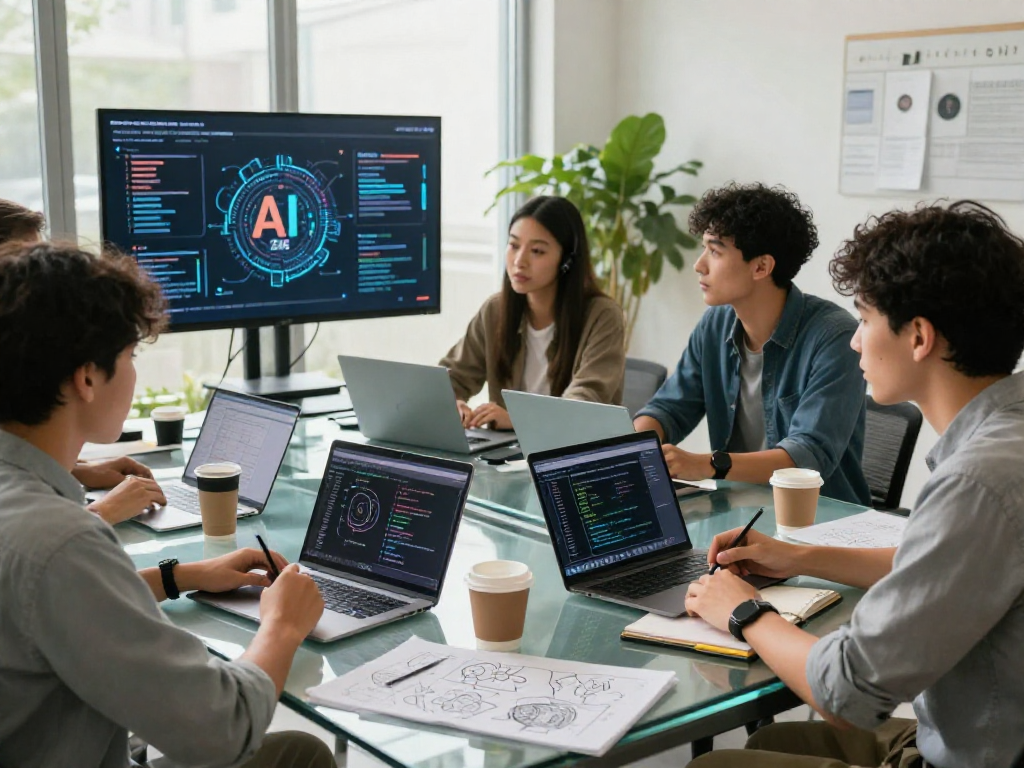
Understanding the Role of AI in Personal Development
In today's fast-paced world, personal development has taken a new dimension with the integration of artificial intelligence (AI). The term ai slut has emerged in various discussions, often reflecting both curiosity and skepticism regarding this technology's impact on enhancing one's growth and self-improvement efforts. The growing accessibility of AI tools has revolutionized personal growth strategies, allowing individuals to leverage technology to foster learning, increase productivity, and facilitate emotional well-being. Let's explore how AI is reshaping the landscape of personal development and helping individuals achieve their goals more effectively.
What Does "ai slut" Mean in Today’s Context?
The term "ai slut" has evolved in colloquial usage, particularly in discussions surrounding personal development and the adoption of AI technologies. It often refers to individuals who are highly enthusiastic about utilizing AI tools to improve various aspects of their lives. While the term may carry a hint of irreverence, it underscores a growing trend where people fully embrace AI innovations to maximize their potential.
In contemporary discussions, "ai slut" can describe someone who frequently engages with multiple AI applications, ranging from virtual coaches to productivity apps, showcasing a commitment to leveraging technology for self-betterment. This phenomenon reflects a broader societal shift towards increasingly digital solutions for traditional personal growth methodologies.
How AI Tools Enhance Learning and Growth
AI-powered tools provide unprecedented support in the realm of personal development. They can analyze user behavior, preferences, and learning patterns, allowing for tailored experiences that cater to individual needs. Here are some ways AI enhances learning and growth:
- Personalized Learning: AI can adapt content and learning paths based on user interactions, ensuring that the material is both relevant and engaging.
- Time Management: AI-driven applications can assist in optimizing schedules, setting reminders, and prioritizing tasks, enhancing productivity and reducing stress.
- Behavior Analysis: Many AI applications can track user progress over time, providing insights into behaviors and habits that either contribute to or hinder personal growth.
By utilizing AI, individuals can foster a more efficient and effective learning environment, ultimately leading to greater personal success.
Debunking Misconceptions About AI in Self-Improvement
Despite its numerous advantages, AI in personal development is often met with skepticism. Here are a few common misconceptions that need addressing:
- AI Replaces Human Interaction: Many believe that AI will diminish the need for human relationships in personal growth. However, AI tools are designed to complement rather than replace human interactions, offering support that can free up time for meaningful connections.
- AI is Only for Tech-Savvy Users: The belief that AI tools are complex and only for tech enthusiasts is misguided. Many AI applications are user-friendly and accessible, allowing anyone to benefit from their features.
- AI Tools Are Just Fads: While new technologies come and go, the consistent advancements and ongoing integration of AI in various sectors suggest that these tools are here to stay and will continue to evolve.
Understanding these points is crucial for effectively embracing the potential of AI in personal development.
Popular AI Tools for Personal Growth
Evaluating the Best AI Applications of 2026
As we move towards 2026, an array of cutting-edge AI applications is set to dominate the personal growth landscape. Here are some notable tools that promise to enhance self-improvement:
- AI Coaching Platforms: Tools like personalized coaching bots can provide real-time feedback and strategies tailored to individual users.
- Virtual Reality (VR) Training: AI-driven VR experiences can immerse users in scenarios that enhance learning through simulation and interactivity.
- Habit Tracking Apps: With AI capabilities, these apps analyze user behavior and suggest routines that help build effective habits.
Evaluating these technologies will be pivotal for anyone looking to optimize their personal development journey.
Integrating AI into Daily Life: Strategies and Tips
To successfully integrate AI into your daily routines, consider the following strategies:
- Set Clear Goals: Define what you want to achieve with AI tools, whether it's improving productivity, cultivating new habits, or enhancing emotional well-being.
- Start Small: Begin with one or two AI applications, gradually incorporating more as you become comfortable with their functionalities.
- Monitor Progress: Use AI's analytics capabilities to track your development, adjusting your approach based on what works best for you.
By implementing these strategies, you can ensure that your use of AI aligns with your personal growth objectives.
Case Studies: Success Stories with AI in Personal Development
Numerous individuals have successfully harnessed AI tools for personal growth. For instance, a project manager utilized an AI-driven productivity app to streamline his workflow. By analyzing his habits, the app suggested optimal work periods and breaks, leading to a 30% increase in productivity.
Another example includes a student who used an AI tutoring platform to improve her grades. The system customized study plans tailored to her learning style, resulting in a significant boost in her academic performance.
These case studies illustrate the tangible impact that AI can have when integrated thoughtfully into personal development practices.
Challenges and Ethical Considerations
Common Obstacles in AI Adoption for Self-Improvement
Despite the benefits, there are several challenges associated with adopting AI for personal growth:
- Resistance to Change: Some individuals may feel apprehensive about using technology for self-improvement, preferring traditional methods.
- Cost Barriers: Many advanced AI tools come with subscription fees, which can deter potential users from investing in them.
- Technical Limitations: Not all AI applications are created equal. Some may lack the personalization or insight that users need, leading to disappointment.
Addressing these obstacles is essential for broader acceptance of AI technologies in self-improvement.
Ethical Implications of AI Use in Personal Growth
As AI becomes increasingly entrenched in personal development, ethical considerations come to the forefront. Key concerns include:
- Data Privacy: Users must be aware of how their data is collected, stored, and utilized by AI tools, ensuring their privacy is protected.
- Bias in Algorithms: AI systems can perpetuate existing biases if not designed with diversity in mind, potentially leading to inaccurate or unhelpful recommendations.
- Dependence on Technology: Relying too heavily on AI for personal growth may inhibit individuals from developing critical thinking and problem-solving skills.
Awareness and proactive measures can help mitigate these ethical concerns in the utilization of AI for personal development.
Navigating Privacy Issues with AI Technologies
Privacy is a paramount concern when using AI tools. Users should consider the following tips to safeguard their information:
- Read Privacy Policies: Understand how your data will be used and stored by the applications you choose.
- Limit Data Sharing: Only provide essential information to the AI tools and avoid sharing sensitive data unless necessary.
- Utilize Security Features: Make use of any privacy settings provided by the applications to enhance your data security.
Being proactive about privacy can empower users to embrace AI while minimizing risks.
Future Trends in AI and Personal Development
What to Expect from AI Innovations by 2026
As we look to the future, several trends in AI and personal development are likely to emerge:
- Increased Automation: Future AI tools will likely automate even more self-improvement processes, making it easier for users to achieve their goals with minimal effort.
- AI-Enhanced Emotional Intelligence: AI will play a larger role in helping individuals develop emotional intelligence by providing feedback on interactions and emotional responses.
- Greater Collaboration Between AI and Humans: As AI becomes more integrated into personal growth, it will require a collaborative approach where users guide the technology rather than solely relying on it.
Embracing these innovations will be critical for anyone committed to personal development.
Preparing for Changes in Self-Improvement Practices
To prepare for the evolving landscape of personal development with AI, individuals should:
- Stay Informed: Continuously educate yourself on the latest AI tools and trends impacting personal growth.
- Be Open to Experimentation: Try new applications and methods to see what resonates best with your personal development style.
- Network with Others: Join communities focused on AI and personal growth to share insights and strategies.
By embracing these changes, individuals can remain at the forefront of personal development.
The Impact of AI on Traditional Personal Development Approaches
AI is not only complementing but also transforming traditional personal development methods. Traditional practices like coaching and mentorship are being augmented by AI tools that offer data-driven insights. For example, a coach may use AI analytics to better understand their client's needs, significantly improving the coaching process.
Moreover, the rise of AI-driven self-help books and resources provides users with tailored suggestions, moving beyond generic advice. These advancements signify a shift in how personal growth is approached, blending technology with time-tested strategies.
Expert Insights on AI's Evolving Role
Industry Leaders Weigh In: The Future of AI in Growth
Experts in the field of AI and personal development are optimistic about the future. Many believe that as technology continues to advance, AI tools will become more intuitive and user-friendly, making personal development accessible to a wider audience.
Industry leaders emphasize the importance of ethical considerations and responsible usage, ensuring that AI serves as a supportive tool rather than a crutch.
Top Strategies from Experts for Leveraging AI Effectively
To maximize the benefits of AI in personal growth, experts recommend:
- Choosing Quality Over Quantity: Focus on a few trusted AI applications that align with your goals, rather than spreading yourself too thin across many tools.
- Engaging with Community: Participate in forums or groups that discuss AI applications in personal development to gain insights and share experiences.
- Embracing a Growth Mindset: Be open to learning and adapting as AI technology evolves, ensuring that your personal growth journey remains dynamic.
Applying these strategies can empower individuals to utilize AI effectively for their self-improvement journeys.
Building a Community Around AI for Personal Growth
As the interest in AI for personal development grows, so does the opportunity to build communities centered around these tools. Engaging with others who share similar goals can provide motivation, support, and valuable insights into effective practices. Online forums, social media groups, and local meetups can serve as excellent platforms for fostering these connections.
By cultivating a community, individuals can share experiences, tips, and resources, enhancing their personal development journeys while navigating the complexities of AI tools together.
What are the benefits of using AI for personal growth?
AI tools can provide personalized feedback, enhance learning efficiency, and help individuals set and achieve specific goals through data-driven insights.
Can AI tools replace traditional self-help methods?
While AI tools can complement traditional methods, they are unlikely to fully replace them. The human element in personal growth is irreplaceable, as emotional intelligence and human relationships play crucial roles in development.
How can beginners start integrating AI into self-improvement?
Beginners should start small by selecting one or two user-friendly AI applications that resonate with their personal growth goals and gradually expand their usage as they become more comfortable.
What ethical concerns should I consider with AI use?
Users should consider issues like data privacy, algorithmic bias, and the potential for over-dependence on technology when engaging with AI applications.
Where is AI headed in the next decade for personal development?
The next decade promises further advancements in AI applications for personal development, including more sophisticated data analytics, enhanced personalization, and wider accessibility, empowering more individuals to embark on their growth journeys.