Understanding IA +18: The Role of Intersection Bicycle Boxes
Urban cycling is increasingly becoming a focal point in city planning discussions, emphasizing safer and more efficient travel methods. One significant innovation in this domain is the implementation of Intersection Bicycle Boxes (IA +18), which serve as designated areas at intersections for cyclists to increase visibility and reduce conflicts with motor vehicles. As cities strive to enhance their cycling infrastructure, understanding the role of IA +18 is crucial for both cyclists and urban planners. When exploring options, ia +18 provides comprehensive insights into best practices and case studies that illustrate the effectiveness of these systems.
What is an Intersection Bicycle Box?
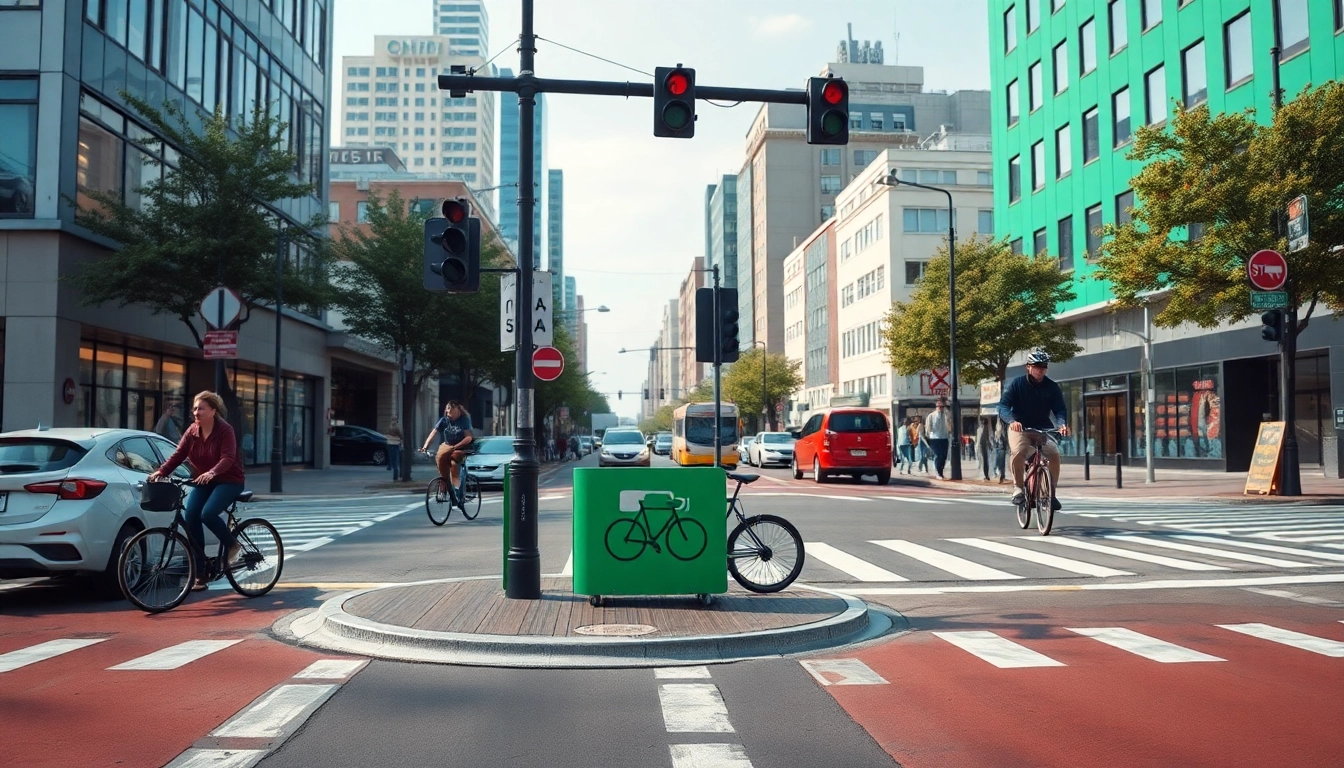
An Intersection Bicycle Box is a designated space located at the front of a traffic lane at intersections, allowing cyclists to position themselves ahead of motor vehicles waiting at a red light. This innovative design improves visibility for both cyclists and drivers, reducing the likelihood of accidents that can occur when cyclists are hidden in a vehicle's blind spot. Essentially, the IA +18 provides a clear demarcation between different modes of transportation, facilitating safer interactions between cyclists and motorists.
In essence, the IA +18 consists of three main components:
- Positioning: Located before the stop line for vehicles, allowing cyclists to take the lead.
- Visual Indicators: Typically marked with green paint and bicycle symbols, enhancing visibility.
- Signage: Accompanied by signs to inform motorists and cyclists of the purpose and use of the bicycle box.
Importance of IA +18 for Urban Cycling
The implementation of IA +18 is vital for promoting cycling as a safe and viable mode of transportation in urban settings. As more individuals turn to bicycles for commuting, the demand for infrastructure that supports this shift has never been higher. The IA +18 not only enhances safety but also encourages more people to consider cycling as a primary form of transport, contributing to reduced congestion and improved air quality in cities.
Moreover, research has shown that cities with well-established cycling infrastructure witness higher levels of cycling activity. For urban planners, adopting the IA +18 is a strategic investment, yielding long-term benefits in public health, decreased vehicle emissions, and increased economic activity within cycling-friendly communities.
Legal and Safety Considerations for Implementing IA +18
As with any infrastructure change, there are legal and safety considerations that must be addressed when implementing IA +18. Cities must ensure that their designs comply with local traffic laws and safety regulations. Proper training for law enforcement and public awareness campaigns can further reinforce the effective use of these bicycle boxes.
Additionally, successful implementation requires careful planning to mitigate potential hazards, such as ensuring that the box does not interfere with pedestrian crossings or create confusion among drivers. Safety audits and community feedback mechanisms are essential in fine-tuning the design and placement of IA +18 to ensure they meet local needs effectively.
Benefits of IA +18 for Cyclists
Improved Safety for Urban Cyclists
One of the most significant advantages of the IA +18 is enhanced safety for cyclists. By providing a dedicated space at intersections, cyclists can navigate through traffic with minimal risk of accidents. Studies indicate that intersections with bicycle boxes experience a substantial reduction in bike-related collisions, particularly those involving turning vehicles.
The visual presence of a bicycle box also serves as a reminder to drivers to be vigilant for cyclists, fostering a more cautious driving behavior in busy urban environments.
Enhancing Traffic Flow and Efficiency
IA +18 systems are designed not only for safety but also for efficiency. With bicycles positioned at the front, they can clear intersections more swiftly, reducing the time spent idling at traffic signals. This improved flow can have ripple effects across the entire transportation system, easing congestion for all road users.
Furthermore, the IA +18 encourages more cyclists to take to the roads, effectively increasing the overall usage of cycling as a mode of transport. A greater number of cyclists on the road can lead to a shift in driver behavior, promoting respect and awareness among all parties using the roadway.
Environmental Impact of Promoting Cycling
Promoting cycling through initiatives like IA +18 has significant environmental benefits. Increased cycling reduces reliance on fossil fuel-powered vehicles, leading to lower greenhouse gas emissions and improved air quality. Cities that embrace cycling infrastructure are contributing to global efforts to combat climate change while simultaneously enhancing the urban environment.
Moreover, cycling reduces noise pollution and promotes active living, positively impacting public health. As urban areas continue to grow, the importance of sustainable transport solutions like IA +18 cannot be overstated.
Challenges in Implementing IA +18
Common Misconceptions about Cycling Infrastructure
Despite the many advantages, there are common misconceptions that can hinder the successful implementation of IA +18. One prevalent belief is that cycling infrastructure takes away valuable road space from vehicles. However, studies have shown that dedicated cycling lanes and bicycle boxes do not significantly impede motor vehicle flow; instead, they create a safer environment for all road users.
Additionally, some argue that cyclists are a minority and therefore do not warrant extensive infrastructure investment. This viewpoint disregards the growing trend of cycling, particularly among younger generations seeking alternative commuting options.
Regulatory and Funding Barriers
Implementing IA +18 can face regulatory hurdles and funding limitations. Many cities operate under strict transportation budgets, making it challenging to allocate funds for new infrastructure. Furthermore, local regulations may not currently support innovative designs such as bicycle boxes, necessitating a review and update of policies to facilitate their implementation.
Advocacy from community members and cycling organizations can play a crucial role in overcoming these barriers. By demonstrating public support for IA +18, advocates can influence local decision-makers to prioritize cycling infrastructure investments.
Addressing Community Concerns and Resistance
Community concerns often arise when introducing new cycling infrastructure, particularly regarding its impact on traffic and parking. Engaging residents early in the planning process helps address objections and fosters a collaborative atmosphere for transportation planning. Feedback sessions, workshops, and informational campaigns can help dispel myths and educate the community about the benefits of IA +18.
Implementing pilot projects can also serve to demonstrate the effectiveness of bicycle boxes, allowing communities to experience the benefits firsthand before committing to more extensive infrastructure changes.
Best Practices for Designing IA +18
Key Features of Effective Bicycle Boxes
Designing an effective IA +18 requires careful consideration of several key features:
- Visibility: Bright colors and clear markings are essential to ensure that both cyclists and drivers can easily identify the box.
- Signage: Informative signage should accompany the bicycle box to educate users about its purpose and how to navigate it safely.
- Clear Dimensions: Proper dimensions that accommodate the expected volume of cyclists can help ensure efficiency and safety.
User-Centric Design Principles
User-centric design principles emphasize crafting solutions that meet the needs of all stakeholders. Engaging with cyclists, motorists, and pedestrians during the design phase can reveal valuable insights about the practical requirements and preferences of users. Incorporating feedback allows designers to create bicycle boxes that are intuitive and practical.
Furthermore, considering accessibility for all users, including those with disabilities, should be a priority in designing IA +18, ensuring it is a truly inclusive infrastructure.
Case Studies of Successful IA +18 Implementations
Examining successful case studies provides valuable lessons for cities looking to implement IA +18. Cities like Copenhagen and Amsterdam have long been pioneers in cycling infrastructure, showcasing how innovative designs can lead to increased cycling rates and improved safety.
In Copenhagen, for example, the implementation of bicycle boxes has led to significant increases in cycling traffic, with reports indicating that as much as 62% of residents commute by bike regularly. These cities serve as models for urban planners worldwide, demonstrating the tangible benefits of investing in cycling infrastructure.
Future Trends in Cycling Infrastructure
Technological Innovations Impacting Urban Cycling
The future of cycling infrastructure, including IA +18, is likely to be shaped by technological advancements. Innovations such as smart traffic signals that prioritize cyclists and integrated apps providing real-time information on cycling routes hold great promise for enhancing the cycling experience.
Moreover, the adoption of sustainable materials in infrastructure development will become more prevalent, reflecting a growing commitment to sustainability in urban planning.
Predictions for Cycling Policy Shifts by 2025
As cities continue to grow and evolve, significant shifts in cycling policy are expected by 2025. Governments are increasingly recognizing the need for sustainable transportation initiatives, with many committing to ambitious cycling infrastructure goals. This momentum will likely accelerate the adoption of IA +18 as a standard practice in urban planning.
Furthermore, the increasing pressure to address climate change will push cities to adopt more bike-friendly policies, emphasizing the importance of integrating cycling into broader transportation systems.
Global Perspectives on IA +18 and Cycling Infrastructure
Globally, perspectives on cycling infrastructure vary significantly, influenced by cultural attitudes towards cycling, urban density, and environmental considerations. Cities in Europe, like Amsterdam and Utrecht, showcase how cycling can be seamlessly integrated into urban life, while cities in North America are beginning to catch up, yet often face challenges in changing entrenched transport habits.
As a global movement towards more sustainable cities takes hold, the importance of adopting effective cycling infrastructure like IA +18 will continue to gain traction across various regions, reshaping urban mobility for future generations.